Measurement & Evaluation
A Playbook for Designing Social Impact Measurement
Thinking about social impact measurement on a spectrum can help organizations develop a clear, evidence-based idea of how or why their programs work.

Thinking about social impact measurement on a spectrum can help organizations develop a clear, evidence-based idea of how or why their programs work.

Most global development programs still segment people by demographics when trying to change their behavior. We must learn from the private sector and segment people based on the reasons behind their actions. Open access to this article is made possible by The Surgo Foundation.

Autonomous technologies can support social services programs, but delivery must always be centered around people.

How private data sources, when leveraged responsibly and collaboratively, can provide insights for addressing the challenges and opportunities of migration.
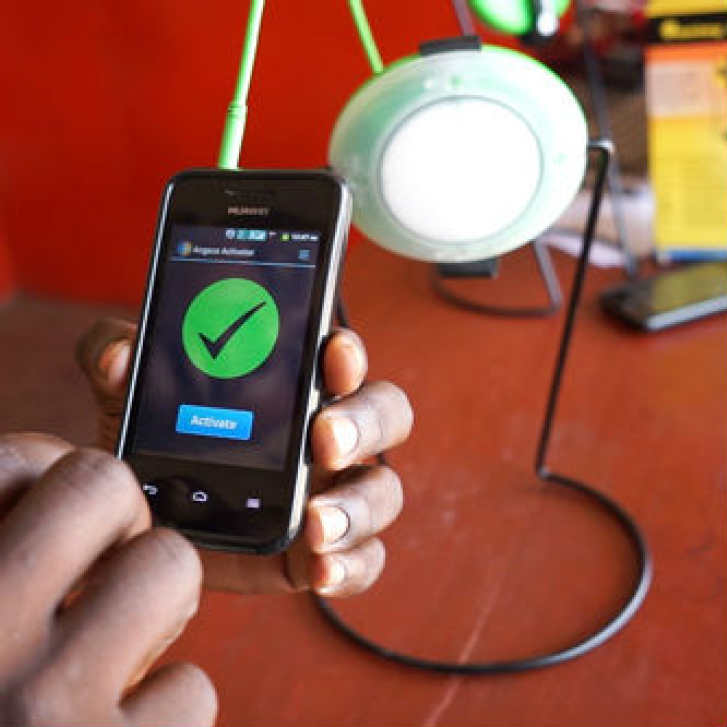
Small data can transform opportunities and quality of life for underserved communities, and help address the biases of big data.

How remote-sensing technologies and artificial intelligence will enable new insights into our toughest global problems.

The National Arts Index established a quantitative measure for arts vitality in the United States that aided public discussion by policy makers and the arts community. In the era of big data, what can we learn from its creation and impact?

Investors looking for data on social impact should start by helping investees deliver a compelling value proposition.
Corporate sustainability leaders can turn challenges into opportunities for society and companies alike.

Stanford's Rob Reich and George Triantis, and Eli Sugarman of the William and Flora Hewlett Foundation's Cyber Initiative, discuss the urgent need for better understanding of cyber-social systems.